Canned Fish
Why Canned Fish Is Worth Keeping on Hand
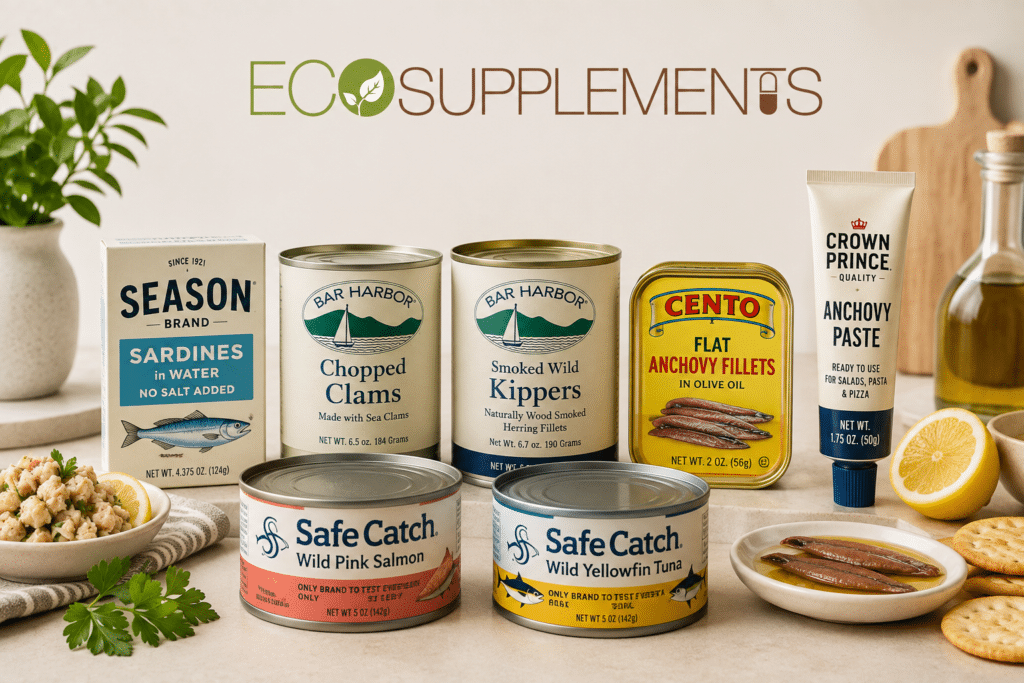
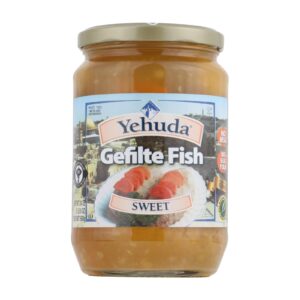
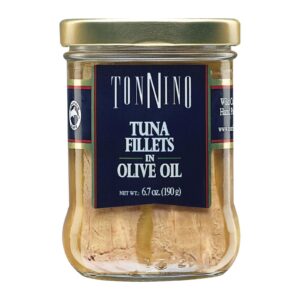
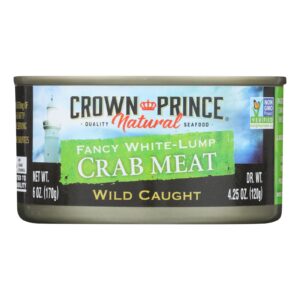
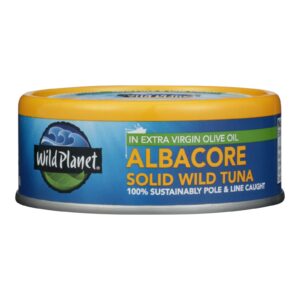
Canned fish can be one of the most practical ingredients in a well-stocked pantry. From salmon and tuna for quick lunches to sardines, smoked kippers, clams, and anchovies for recipes with more distinctive flavors, canned seafood makes it easier to put together a meal without starting with fresh or frozen fish every time.
The advantage is not that canned seafood is automatically “better” than fresh seafood. The two formats simply solve different kitchen problems. Many commercially canned seafood products can be stored unopened at room temperature, require little preparation, and are ready to incorporate into everyday recipes. Storage requirements vary, however, so the package directions should always be your final guide.
There is also much more variety in the canned fish aisle than tuna alone. Different species, packing liquids, seasonings, textures, and formats give home cooks plenty of options for everything from sandwiches to pasta sauces.
What Counts as Canned Seafood?
Although “canned fish” is the familiar search term, the category can include more than fish packed in traditional cans. Sardines, tuna, salmon, and herring are obvious examples, but canned clams and compact products such as anchovy paste can fill many of the same pantry roles.
Preparation makes a difference, too. Seafood may be packed in water, oil, its own juices, or a seasoned liquid. Some products are smoked before packing. Anchovies may be sold as whole fillets or blended into a paste. These differences influence flavor, texture, sodium content, and how you are likely to use the product.
That variety is one of the main reasons canned seafood can be useful. Rather than viewing every can as interchangeable, it helps to stock several formats for different meals.
Why Canned Fish Deserves a Place in Your Pantry
It Makes Last-Minute Meals Easier
Fresh seafood generally requires planning around purchasing, refrigeration, freezing, thawing, and cooking. Many canned products remove several of those steps.
A can of salmon can become part of a grain bowl or salad. Tuna can form the base of a sandwich or pasta dish. Sardines can be served with toast or crackers. Clams can go into a sauce, soup, or pasta, while anchovies can disappear into dressings and sauces where they contribute savory flavor.
That flexibility can be especially useful on days when the refrigerator is nearly empty but you still want to make something at home.
Many Options Store Well Unopened
Commercial canning is designed to produce products that can often be stored for extended periods without refrigeration before opening. USDA food-safety guidance notes that commercially canned fish such as tuna can remain pantry-stable for a substantial period when correctly stored.
That does not mean every seafood product sold in a can, jar, pouch, or tube belongs indefinitely in the pantry. Some seafood products require refrigeration and will say so on the label. Semi-preserved seafood may also have different storage requirements from fully shelf-stable canned foods.
Store products according to their labels, keep shelf-stable cans in a cool, dry location, and periodically check your pantry so older products are used first.
Seafood Brings Variety to the Protein Foods on Your Menu
Current U.S. dietary guidance includes seafood among animal-source protein foods. Fish species can also provide different amounts of fatty acids, vitamins, and minerals, although the exact nutrient profile varies considerably by species, serving size, preparation, and product.
For packaged seafood, the most useful source for product-specific nutrition information is the Nutrition Facts panel. Rather than assuming sardines, salmon, tuna, clams, and herring have identical nutrition profiles, compare the labels of the foods you actually buy.
A Small Amount Can Add a Lot of Flavor
Not every canned fish product needs to function as the main part of a meal. Anchovies are a good example. Their concentrated savory character means they are frequently used more like a culinary ingredient than a centerpiece.
A small amount of anchovy can be blended into tomato sauce, salad dressing, pasta sauce, compound butter, or other savory recipes. Anchovy paste offers a similar approach without needing to chop individual fillets.
How to Read a Canned Fish Label
Check the Species
“Fish” is a broad category. Salmon, sardines, herring, anchovies, and yellowfin tuna are different species with different flavors, textures, and nutrition profiles.
Species also matters when following FDA and EPA fish-consumption advice related to mercury. This is particularly relevant for people who are or may become pregnant, those who are breastfeeding, and parents or caregivers choosing fish for young children. Tuna categories, for example, should not automatically be treated as interchangeable.
For those groups, use current FDA/EPA seafood guidance when deciding which fish to eat and how frequently.
Look at What the Fish Is Packed In
Water, olive oil, fish juices, and seasoned liquids produce different results in a recipe. Water-packed fish can be useful when you want a neutral base. Oil-packed anchovies bring both the fish and their packing oil into the dish. Clams packed with clam juice can provide liquid that may be useful in chowders or sauces.
There is no universally correct option. Choose according to the dish you are making and check the ingredient list to see exactly what comes with the seafood.
Compare Sodium
Sodium can vary significantly among packaged foods, including different canned seafood products. Smoked fish, anchovies, seafood packed in brine, and products with added salt may differ considerably from one another.
FDA recommends using the Nutrition Facts panel, including the serving size and Percent Daily Value, when comparing sodium between products.
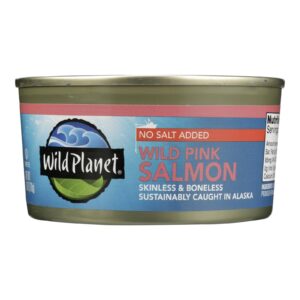
You may also see wording such as “no salt added” on certain foods. FDA explains that this means salt was not added during processing; it does not automatically mean the food is sodium-free. The Nutrition Facts panel remains the better place to see the actual amount of sodium per serving.
Review the Serving Size
A small can may contain one serving, multiple servings, or an amount you divide differently depending on the recipe. Nutrition information is generally presented in relation to the labeled serving size, so check that number before comparing products.
Read the Storage Instructions
Do not assume that every metal can or tube is shelf-stable under identical conditions. Follow instructions such as “Keep Refrigerated” when present, and check what the manufacturer recommends after opening.
Seven Canned Seafood Options to Explore
The canned seafood selection at Eco Supplements shows how varied this pantry category can be. The following products range from mild meal bases to concentrated cooking ingredients.
Season Brand Sardines in Water
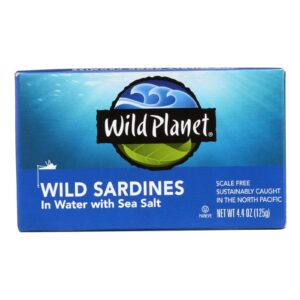
Season Brand sardines in water offer a straightforward way to experiment with sardines without an oil-based packing medium.
Sardines have a distinctive flavor but work with a surprisingly broad range of ingredients. Try them on toasted bread with lemon, alongside crackers and vegetables, in a tomato-based pasta, or incorporated into a Mediterranean-style plate with herbs and olives.
The product listing identifies this as the no-salt-added variety. Because that wording does not mean sodium-free, check the current Nutrition Facts label when sodium content is important to your food choices.
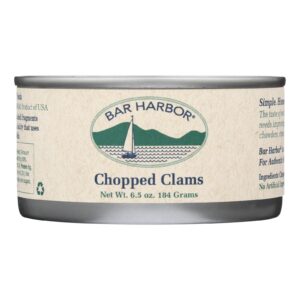
Bar Harbor Chopped Clams
Bar Harbor Chopped Clams provide a different kind of convenience. According to the current Eco Supplements listing, the ingredients include chopped sea clams, clam juice, and sea salt.
Because the clams are already chopped, they can move directly into recipes such as clam sauce, chowder, seafood dips, or pasta. The clam juice can also become part of the cooking liquid when appropriate for the recipe.
This is a useful example of why a canned seafood pantry does not have to be limited to finfish.
Bar Harbor Smoked Wild Kippers
Bar Harbor Smoked Wild Kippers bring herring and smoke flavor into the mix. The current listing describes naturally wood-smoked herring fillets packed with water and salt.
Kippers have a stronger personality than mild canned tuna, which makes them particularly useful when you want the seafood itself to provide much of the dish’s flavor. They can be served with toast, potatoes, grains, pickled vegetables, eggs, or a simple salad.
If you have never tried canned herring, a simple plate with a few familiar accompaniments can be an easy introduction.
Cento Flat Anchovy Fillets
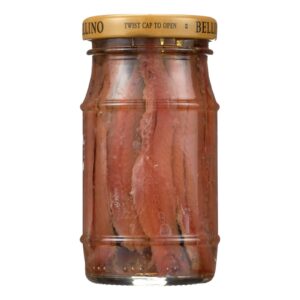
Cento Flat Anchovy Fillets are listed as anchovy fillets packed with olive oil and salt.
Anchovies are particularly useful as a cooking ingredient. They can be finely chopped or allowed to break down in warm oil before garlic, tomatoes, vegetables, or pasta are added. They are also commonly incorporated into dressings and sauces when a deeper savory flavor is wanted.
The Eco Supplements listing describes these anchovies as semi-preserved, so follow the package’s storage directions rather than assuming the same storage rules as fully shelf-stable canned fish.
Crown Prince Anchovy Paste
For an even more cooking-focused format, Crown Prince Anchovy Paste combines anchovies, olive oil, and salt according to the current listing.
Paste makes it easy to add anchovy a little at a time. Stir it into pasta sauce, salad dressing, marinades, tomato dishes, or savory spreads where you want the anchovy to become part of the overall flavor rather than remain in visible pieces.
As with other tubes and semi-preserved seafood products, follow the current package instructions for storage after opening.
Safe Catch Wild Pink Salmon
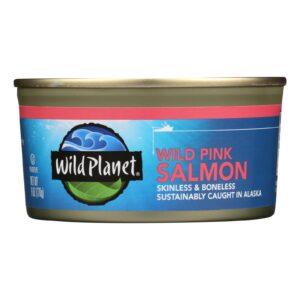
Safe Catch Wild Pink Salmon is listed with pink salmon and sea salt as its ingredients.
Canned salmon is one of the easiest seafood formats to build a meal around. It can be flaked onto salads, mixed into rice or grain bowls, combined with herbs and other ingredients for salmon patties, folded into pasta, or used in sandwiches and wraps.
Because the flavor is versatile, salmon can be a useful starting point for someone building a canned seafood pantry for the first time.
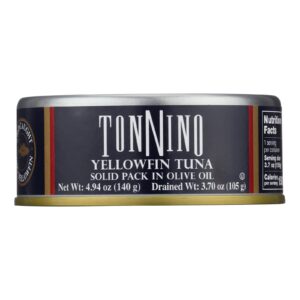
Safe Catch Wild Yellowfin Tuna
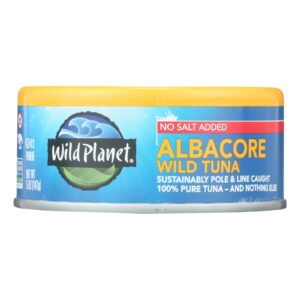
Safe Catch Wild Yellowfin Tuna Ahi gives the familiar canned-tuna category a species-specific option. The current Eco Supplements ingredient listing identifies yellowfin tuna as the ingredient.
Tuna can form the base of sandwiches, wraps, salads, pasta dishes, rice bowls, or simple snack plates. Try changing the usual mayonnaise-based preparation with olive oil, lemon, herbs, beans, tomatoes, or crunchy vegetables.
Because this product uses yellowfin tuna, people following FDA/EPA mercury guidance should evaluate it under the guidance for that specific fish rather than assuming all canned tuna belongs to the same category.
Simple Ways to Use Canned Fish More Often
A well-stocked pantry is only useful when you know what to make from it. Keep a few easy combinations in mind so a can does not sit unused for months.
- Sardines on toast: Add lemon, herbs, tomato, cucumber, or another crisp vegetable.
- Salmon grain bowls: Combine canned salmon with rice or another grain, vegetables, herbs, and a simple dressing.
- Tuna and bean salad: Mix tuna with white beans, chopped vegetables, olive oil, and lemon or vinegar.
- Clam pasta: Combine chopped clams and some of their liquid with garlic, olive oil, herbs, and pasta.
- Smoked kipper plate: Serve kippers with potatoes, toast, vegetables, or other simple accompaniments.
- Anchovy tomato sauce: Allow finely chopped anchovies to dissolve into olive oil before adding tomatoes.
- Anchovy dressing: Mix a small amount of anchovy paste into a homemade savory dressing.
These ideas also illustrate the value of stocking different formats. Salmon and tuna can anchor a meal, while anchovies may function primarily as a seasoning ingredient.
How to Build a Useful Canned Seafood Pantry
You do not need seven different seafood products open at once. Instead, think in terms of roles.
- Choose a versatile meal base: Tuna or salmon can handle sandwiches, salads, bowls, and pasta.
- Add a bolder fish: Sardines or smoked kippers provide a noticeably different flavor profile.
- Keep a cooking ingredient: Anchovy fillets or paste can add savory depth without becoming the main component of the dish.
- Include shellfish if you use it: Chopped clams make seafood pasta, chowder, and dips easier to assemble.
- Compare labels: Look at species, ingredients, serving size, sodium, packing medium, and storage directions before choosing.
From there, buy according to the dishes you actually cook. A smaller, useful pantry is better than a large collection of cans you never reach for.
Canned Fish Storage and Food Safety Basics
Store shelf-stable canned seafood in a cool, clean, dry location away from temperature extremes. Rotate products so older cans are used before newer ones.
Do not use cans that are leaking, bulging, badly dented, severely rusted, or otherwise damaged in a way that raises food-safety concerns. USDA guidance specifically advises against using suspicious canned-food containers.
After opening canned seafood, refrigerate unused portions promptly and follow package directions for storage and use. Products labeled for refrigeration should remain refrigerated as directed even before opening.
These simple checks are especially important with seafood because packaging style alone does not tell you everything about how a particular product should be stored.
Frequently Asked Questions About Canned Fish
Is Canned Fish the Same as Fresh Fish?
No. Canning changes the preparation, texture, flavor, and storage characteristics of seafood. Both canned and fresh seafood can have a place in the kitchen, but they are useful in different situations. Nutrition can also vary by species and preparation, so compare actual products rather than assuming they are identical.
Does Canned Fish Always Need to Be Cooked?
Many commercially canned seafood products are ready to eat, but you should check the label for the specific product. Even when no additional cooking is required, canned fish can still be heated or incorporated into cooked dishes for flavor and texture.
Is All Canned Seafood Shelf-Stable?
No. USDA notes that some canned seafood products require refrigeration. Look for storage instructions on the package and follow them. This is particularly important for semi-preserved and specialty seafood products.
Why Is Sodium Different Between Canned Fish Products?
Processing methods and added ingredients vary. One product may contain only fish, while another may include salt, brine, a seasoned liquid, or a smoked preparation. Use the Nutrition Facts panel to compare sodium per serving rather than judging products only by their category.
What Is the Difference Between Anchovy Fillets and Anchovy Paste?
Anchovy fillets retain their shape and can be served whole, chopped, or dissolved into cooking oil and sauces. Anchovy paste is already blended into a smooth format and is easy to measure in small amounts for dressings, sauces, marinades, and other recipes.
What Is a Good Canned Fish for Beginners?
That depends primarily on flavor preference. Tuna and salmon are familiar and versatile starting points. Sardines and smoked kippers have stronger, more distinctive flavors, while anchovies are especially useful when incorporated into recipes rather than eaten by themselves.
Should I Be Concerned About Mercury in Canned Fish?
Mercury levels vary by fish species. FDA and EPA provide specific fish-selection guidance, particularly for people who are or may become pregnant, those who are breastfeeding, and young children. When that guidance applies to you or your family, identify the actual species on the package and use the current FDA/EPA chart rather than treating all canned seafood as equivalent.
A Small Pantry Staple With Plenty of Possibilities
Canned fish earns its pantry space through practicality and versatility. Tuna and salmon can become quick meal foundations, sardines and kippers offer distinctive flavors, clams simplify seafood recipes, and anchovies can function as concentrated cooking ingredients.
The key is to choose deliberately. Read the ingredient list, check the Nutrition Facts panel, compare sodium and serving sizes, note the fish species and packing medium, and follow the product’s storage instructions.
With a few carefully chosen options on hand, canned seafood can turn an ordinary pantry into the starting point for sandwiches, salads, pasta, grain bowls, soups, sauces, and simple snack plates—without requiring a last-minute trip to the seafood counter.