RIND Snacks
Why RIND Snacks Put the Peel in Focus
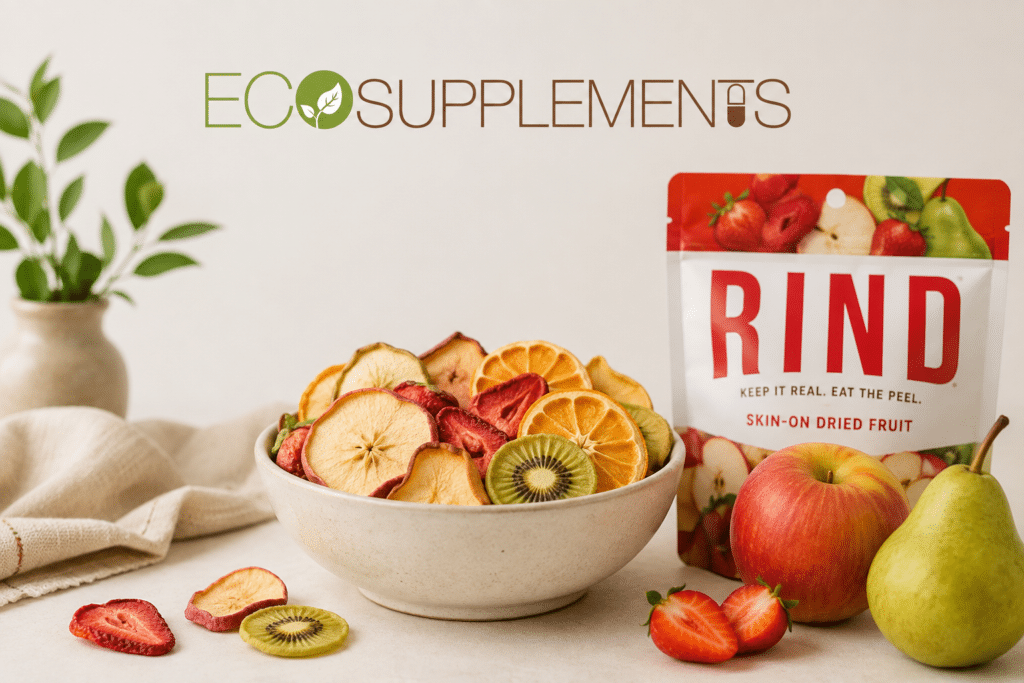
RIND Snacks takes a simple approach to dried fruit: use more of the fruit, including edible peel where it is part of the product. Instead of building a snack around complicated ingredient lists or heavily flavored coatings, the brand focuses on recognizable fruits in chewy blends and crisp fruit-chip formats.
That makes RIND Snacks an interesting option for shoppers who want to understand exactly what they are eating. In this guide, “smarter” is not a claim that one snack is automatically healthier or nutritionally superior to another. It means looking at the ingredient list, understanding how dried fruit differs from fresh fruit, paying attention to serving size, and choosing a flavor and format that suit the occasion.
What Does “Whole Fruit” Mean for RIND Snacks?
Many fruits are routinely peeled before they are eaten or processed. RIND built its dried-fruit concept around retaining edible skins and rinds rather than automatically removing them. The result is fruit with a slightly different flavor and texture from conventional peeled dried fruit.
The idea is especially noticeable with fruits such as apples, pears, kiwi, peaches, persimmons, and oranges. Depending on the fruit, the peel can add chewiness, tartness, bitterness, color, or extra texture. For people accustomed to very soft or uniformly sweet dried fruit, that can make skin-on fruit a different snacking experience.
Keeping edible peel also means using more of the original fruit rather than discarding that portion during preparation. It is a straightforward whole-fruit concept, although the exact ingredients and processing method should always be checked on the current package when those details matter to you.
How Dried Fruit Differs From Fresh Fruit
Dried fruit starts with fruit, but removing much of its water changes its size, texture, and concentration. A handful of dried fruit therefore is not visually equivalent to the same volume of fresh fruit.
This is one reason serving information is worth checking. USDA MyPlate materials use one-half cup of dried fruit as the equivalent of one cup from the Fruit Group. That does not mean there is one universally correct portion for everyone; it simply illustrates how compact dried fruit becomes when water is removed.
The Nutrition Facts label provides another useful reference. Nutrition information is generally listed per serving, so check both the serving size and the number of servings in the package rather than judging a snack only by the size of the bag.
Dried fruit can be particularly convenient when refrigeration, washing, peeling, or cutting fresh fruit is impractical. Fresh and dried fruit do not have to compete for the same role in the kitchen. They can simply offer different textures and levels of convenience.
What to Look for on a Dried Fruit Label
Start With the Ingredient List
The ingredient list is often the easiest place to begin. It tells you which fruits are included and whether the product contains additional ingredients such as sweeteners, oils, flavorings, preservatives, or other additions.
Ingredient lists are ordered according to labeling rules, so reading them is generally more informative than relying on descriptive words on the front of a package. For RIND products, the combinations can also help you predict flavor. Apple and pear tend to create a familiar orchard profile, while orange and kiwi can bring noticeably more tartness.
Check Total Sugars and Added Sugars Separately
Fruit naturally contains sugars, so seeing Total Sugars on a dried-fruit Nutrition Facts label does not by itself mean sugar was added during processing.
The FDA distinguishes Total Sugars from Added Sugars. Total Sugars include naturally occurring sugars as well as any added sugars that may be present. The Added Sugars line is designed to show sugars added during processing under FDA labeling rules.
If avoiding added sweeteners is important to you, check the current ingredient list and the Added Sugars line on the package rather than assuming that every dried-fruit product is formulated the same way.
Look at the Serving Size
Because dried fruit is compact, it is easy to eat directly from a bag without noticing how the labeled serving relates to the amount consumed. The FDA notes that serving sizes on packaged foods are based on amounts people typically consume rather than a recommendation for how much an individual should eat.
For that reason, serving information works best as a reference point for understanding the rest of the Nutrition Facts panel.
Choose the Texture You Actually Want
Dried fruit is not one single texture. Some varieties are soft and chewy, some have firm peels, and others are dried into crisp chips. Thinking about when and how you plan to eat the fruit can make choosing between formats much easier.
Four RIND Snacks Options to Explore
The RIND products available through Eco Supplements show how different fruits and formats can create noticeably different snacking experiences. The following descriptions focus on the ingredients listed on the current Eco Supplements product pages rather than making health or performance claims.
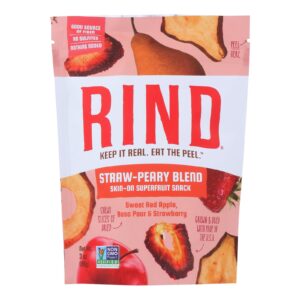
Straw-Peary: Berry and Orchard Flavors Together
The RIND Snacks Straw-Peary dried fruit blend combines dried pears, dried apples, and dried strawberries according to the current Eco Supplements ingredient listing.
This combination is a useful place to start if you like recognizable orchard fruit but want something different from a single-fruit snack. Pear and apple provide familiar flavors, while strawberry adds a berry component.
Because the pieces are dried rather than turned into uniform chips, you can also expect some natural variation between the fruits in shape and texture. It can be eaten straight from the bag or chopped into smaller pieces for oatmeal, yogurt, cereal, or a homemade snack mix.
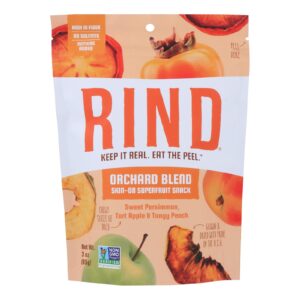
Orchard Blend: Peach, Apple, and Persimmon
The RIND Snacks Orchard dried fruit blend lists dried peaches, dried apples, and dried persimmons.
Persimmon makes this combination especially distinctive compared with many conventional dried-fruit mixes. Alongside apple and peach, it creates a blend centered entirely on orchard-style flavors.
This variety can work well when you want several types of fruit in one package rather than buying multiple single-fruit snacks. The pieces can also be chopped and mixed with oats, nuts, seeds, or other ingredients when preparing your own snack combination.
Tropical Blend: Kiwi, Pineapple, and Orange
For a more tart and citrus-forward combination, the RIND Snacks Tropical dried fruit blend currently lists dried kiwi, dried organic pineapple, and dried orange.
The orange is an important part of this blend’s character because dried citrus with rind can have a noticeably different flavor from peeled dried fruit. Kiwi contributes additional tartness, while pineapple brings a familiar tropical fruit profile.
Beyond eating it straight from the package, a tropical blend can add color and contrasting texture to yogurt bowls, snack boards, cereal, or desserts. Small pieces can also be used as a garnish when the fruit’s flavor complements the rest of a recipe.
Apple Fruit Chips: A Simpler, Crisp Format
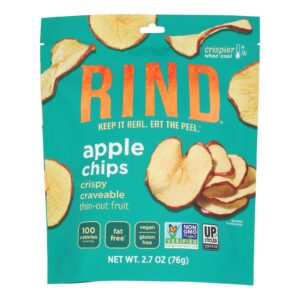
If you prefer a single-fruit snack, RIND Snacks Apple Fruit Chips list dried apples as the ingredient on the current Eco Supplements page.
The main difference here is format. Rather than a chewy mixed-fruit blend, apple chips offer a crisp approach to dried fruit. That can make them useful when you want crunch rather than chewiness.
Apple chips can be eaten on their own, paired with other snack foods, broken over oatmeal or yogurt, or included on a snack board. Their single-fruit ingredient list also makes it particularly easy to see what the product contains.
Ways to Use RIND Snacks Beyond Eating Them From the Bag
Dried fruit is convenient on its own, but keeping a few simple uses in mind can make it more versatile.
- Breakfast toppings: Chop larger dried-fruit pieces and add them to oatmeal, cereal, or yogurt.
- Homemade snack mixes: Combine dried fruit with ingredients such as nuts, seeds, cereal, or pretzels according to your preferences.
- Snack boards: Pair several fruit textures with crackers, cheeses, nuts, or other foods for contrast.
- Baking: Chop chewy dried fruit and use it in muffins, quick breads, cookies, or homemade granola.
- Salads: Small pieces of apple, pear, peach, or other dried fruit can add sweetness and chewiness alongside crisp vegetables.
- Garnishes: Crisp apple pieces or colorful dried fruit can provide a finishing touch for desserts, drinks, or serving boards.
The best use often depends on texture. Chewy fruit is generally easier to chop into mixtures, while crisp fruit chips can be useful anywhere you want a crunchy topping.
How to Choose the Right RIND Variety
There is no need to decide based on broad ideas of one fruit being “better” than another. A more practical approach is to choose according to flavor, texture, ingredients, and how you plan to use the product.
If you prefer familiar fruit flavors, apple-based options or Straw-Peary may feel approachable. Orchard introduces persimmon alongside peach and apple. Tropical moves toward citrus and tart fruit with orange, pineapple, and kiwi. Apple Fruit Chips are the most straightforward choice when you want one fruit and a crisp texture.
It is also worth checking the current package if specific dietary characteristics, certifications, allergens, serving information, or nutrient values are important to you. Recipes, suppliers, and labeling can change, so the package should be the final reference for product-specific information.
Is Keeping the Peel Always Better?
“Whole fruit” can sound like a universal rule, but food choices are more nuanced than that. Many fruit peels are edible, while others are normally removed for reasons of texture, flavor, preparation, or simple personal preference.
RIND’s skin-on concept is best understood as one style of dried-fruit preparation rather than a guarantee that keeping every peel is always the better choice. What it clearly changes is how much of certain fruits is used and how the finished snack tastes and feels.
For consumers, the useful question is therefore not whether every fruit should always be eaten with its peel. It is whether you enjoy the taste and texture of a particular skin-on dried fruit and whether its ingredient list and Nutrition Facts fit what you are looking for.
RIND Snacks and More Intentional Snacking
A convenient snack does not need a complicated story. RIND Snacks offers a distinctive take on dried fruit by keeping edible peel in the picture and combining fruits that range from familiar apple and pear to persimmon, kiwi, pineapple, and orange.
The simplest way to choose among them is to read the ingredient list, check the Nutrition Facts panel, consider the serving information, and pick a texture you will actually enjoy. That approach works not only for RIND but for packaged dried fruit generally.
Whether you choose the chewy Straw-Peary, Orchard or Tropical blends or the crisp Apple Fruit Chips, the appeal is easy to understand: recognizable fruit, portable formats, and several ways to use them beyond straightforward snacking.
Frequently Asked Questions About RIND Snacks
Are RIND Snacks the Same as Fresh Fruit?
No. RIND products discussed here are dried-fruit snacks. Drying removes much of the fruit’s water and changes its size, texture, and concentration. Fresh fruit and dried fruit can therefore provide different eating experiences even when they begin with similar ingredients.
Does Dried Fruit Contain Sugar?
Fruit naturally contains sugars, and those naturally occurring sugars remain present when fruit is dried. On a Nutrition Facts label, Total Sugars and Added Sugars are separate pieces of information. Check both the ingredient list and the Added Sugars line if you want to understand how a particular product is formulated.
Which RIND Snack Is Best for Someone Who Likes Crunch?
Among the four products discussed here, Apple Fruit Chips are the crisp option. The Straw-Peary, Orchard, and Tropical products are mixed dried-fruit blends with a chewier format.
Can RIND Dried Fruit Be Used in Recipes?
Yes. Dried fruit can be chopped or broken into smaller pieces for oatmeal, yogurt, granola, baked goods, snack mixes, salads, and serving boards. Choose the variety according to the flavor and texture that fit the recipe.
What Is the Easiest Way to Compare Dried-Fruit Products?
Start with four things: the ingredient list, serving size, Total Sugars and Added Sugars on the Nutrition Facts panel, and the type of fruit included. After that, flavor and texture are largely matters of personal preference.
Where Can I Find the Exact Ingredients for a RIND Product?
Use the current product page as a starting point and check the package itself for the most current formulation and labeling information. This is especially important if you are choosing food around allergies, dietary restrictions, certifications, or other specific needs.
Salt, Spices And Seasonings